

About Chesterton Academy of The Divine Mercy

Who We Are
Located in Western Massachusetts, the Chesterton Academy of The Divine Mercy offers a rigorous classical Catholic high school education rooted in the pursuit of truth, goodness, and beauty. Our name, inspired by the nearby National Shrine of The Divine Mercy, reminds our community to place our trust in the Lord. At Chesterton Academy, students will grow in faith while engaging the great works of Western civilization through the classical liberal arts. In an atmosphere of joyful learning and daily prayer, young men and women are formed to think clearly, love deeply, and serve God and neighbor.
-
Inspired by Saint Pope John Paul II, we take as our motto Cultura Vitae, the culture of life. We make it our mission to prepare our students to triumph over the materialism and despair that pervade our culture and to accept our Lord's offer to have life and have it abundantly. Our classical curriculum combines a broad liberal arts education with a strong emphasis on the cultivation of Christian virtues and an appreciation of beauty.
-
The Chesterton Academy model focuses on helping students grow in faith, reason, and virtue: Formation in Faith by fostering a life conformed to Jesus Christ through prayer, the sacramental life, and the works of mercy - Formation in Reason by offering an integrated, liberal arts curriculum through classical pedagogy, orienting students to the discovery of truth - Formation in Virtue by intentional mentorship, the House System, and extracurriculars which form habits of excellence.
-
The founding team of the Chesterton Academy of The Divine Mercy, a group of parents and educators, came together out of a love and passion for Catholic education and the formation of young people. We sincerely hope and pray that the establishing of a Chesterton Academy in Western Massachusetts will lead to an increase in the number of future Saints whose lives are dedicated to knowing loving and serving the Lord with joy and fervor. We are at the beginning of our journey and we look forward to accepting our founding class of students for the fall of the 2027/2028 academic year.
In the words of G.K. Chesterton, we seek to teach our students that “there is a whole truth of things and that in knowing and speaking it we are happy.”

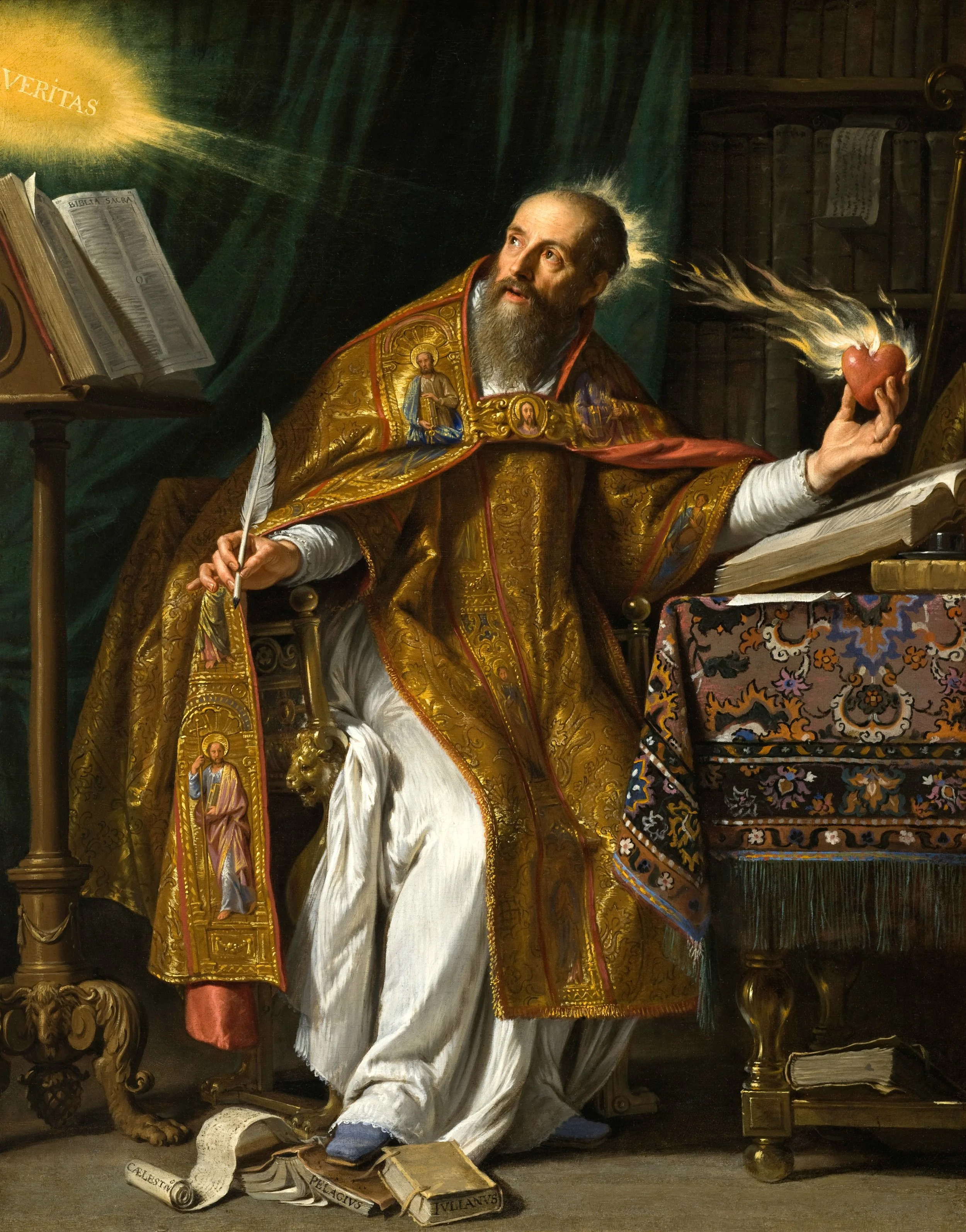
Our Three Pillars of Formation
-
Intellect
Students engage with the classics of Western thought, from physics to philosophy, learning how to think critically and see the connections between disciplines.
-
Character
Focusing on prudence, temperance, fortitude, and justice, students grow in virtue, often fostered through a House system that promotes leadership and community.
-
Spirituality
Rooted in the Catholic faith, this pillar helps students understand why they exist—to know, love, and serve God—often supported by daily mass, confession, and a culture of faith.
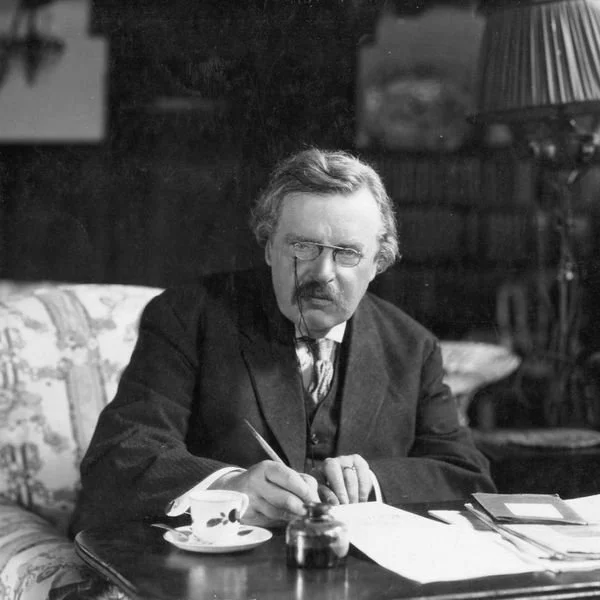
Our Patron: G.K. Chesterton
Chesterton Academy is named for the great English writer and Catholic convert, G.K. Chesterton (1874- 1936). Chesterton is a model for our school because he exemplified the Catholic faith through a life filled with joy, wonder, and gratitude.
Chesterton was considered one of the world’s most outstanding men of letters in the early 20th century. An accomplished essayist, novelist, and poet, he wrote a hundred books on all different subjects. In 1922, he shocked the literary establishment by converting to Catholicism. He was later eulogized by Pope Pius XI as “a gifted defender of the faith,” and there is presently a popular movement to have him canonized. The school has chosen him for its patron because he not only represents the fullness of faith and reason, but also Catholic joy and common sense.